

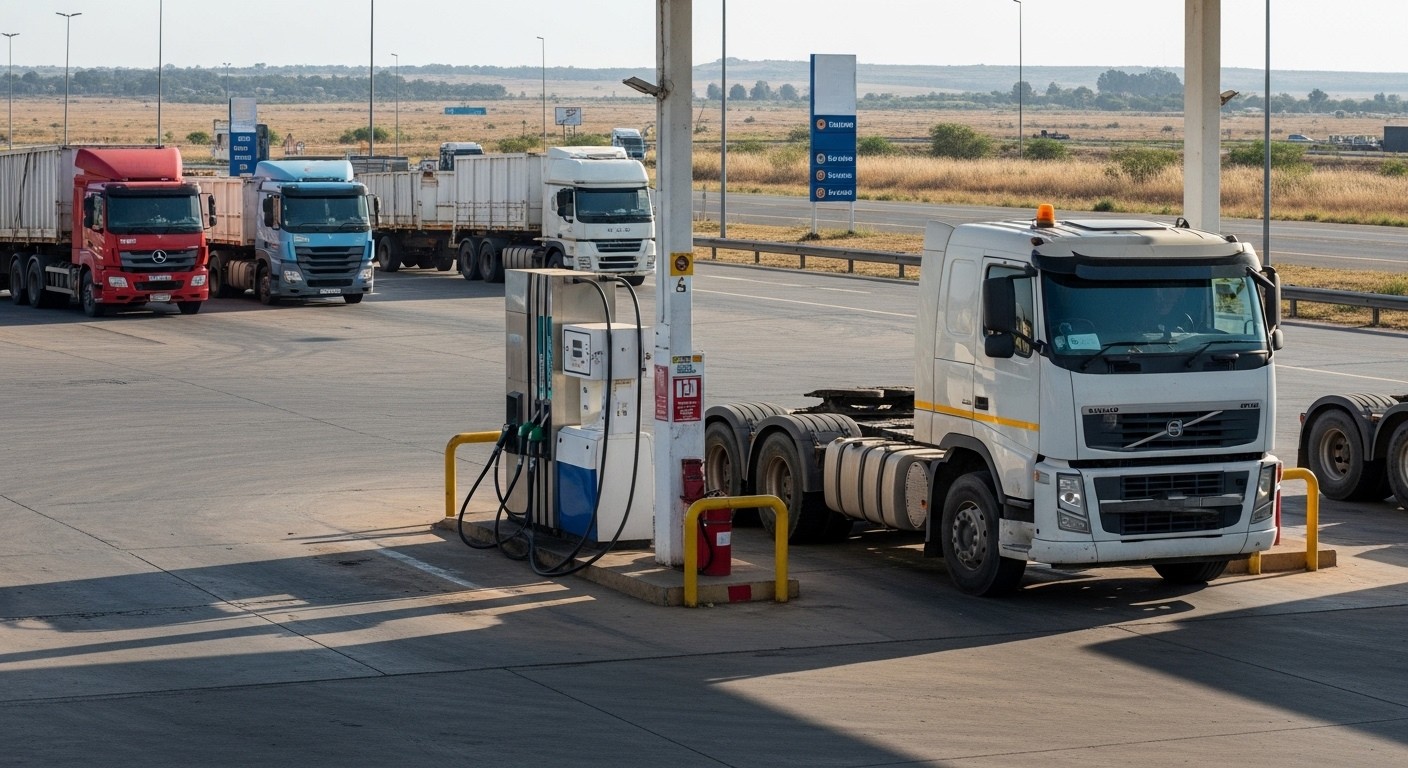
Managing Costs Beyond the Diesel Tank.
The Role of Insurance in a High-Cost Environment.
The South African transport and logistics sector continues to face mounting pressure as diesel prices increase, placing strain on already tight operating margins.
While fuel is one of the most visible cost drivers, there are other areas within a transport business that can either add pressure—or provide relief. One of these is how insurance is structured.
Insurance is often viewed as a fixed expense, but in reality, the way a policy is structured can influence cost efficiency, risk exposure, and financial stability over time.
The Current Cost Environment in Transport
Rising fuel prices affect more than just day-to-day operations. They also impact: Profitability and contract margins.
Pricing competitiveness.
Cash flow and budgeting.
Overall business risk.
In this environment, transport operators are increasingly looking at ways to manage total operational costs, not just reduce individual expenses.
What Does “Structuring Insurance Correctly” Mean?
Structuring insurance correctly goes beyond simply having cover in place. It involves ensuring that policies are aligned with:
- The actual value and usage of vehicles
- The type of goods being transported
- Operational risks such as loading, offloading, and routes
- Driver profiles and claims history
When these elements are aligned, insurance becomes more reflective of the real risk within the business.
How Insurance Structure Can Influence Costs
1. Alignment Between Risk and Premium
Insurance premiums are largely based on perceived risk. If a policy does not accurately reflect how a fleet operates, businesses may end up paying more than necessary—or being exposed to gaps in cover.
2. Reducing Unexpected Costs at Claim Stage
Incorrect cover, underinsurance, or gaps between policies can lead to out-of-pocket expenses when claims occur.
A well-structured policy helps reduce the likelihood of unexpected financial impacts during claims.
3. Supporting Better Risk Management Practices
Insurance structure is often linked to operational practices such as:
Driver management,
Vehicle maintenance,
Use of telematics.
When these elements are considered together, they can contribute to lower incident rates and more stable insurance outcomes over time.
4. Improving Predictability of Expenses
In a high-cost environment, predictability is key.
A structured approach to insurance can help businesses better understand:
What is covered,
What risks remain,
How costs may change over time.
This supports more informed financial planning.
Why This Matters More During Rising Fuel Prices
As diesel costs increase, transport businesses have less room for inefficiencies.
Even areas that are not directly linked to fuel—like insurance—become more important in managing overall cost pressure.
Reviewing how insurance is structured can help ensure that - Costs are aligned with actual risk.
There are no unnecessary overlaps or gaps.
The business is not exposed to avoidable financial shocks.
Final Thoughts
In the current South African transport environment, managing costs requires a broader view of the business, not just focusing on fuel or day-to-day expenses. For transport operators, taking the time to understand how their insurance is structured can provide valuable insight into how well their business is protected—and where improvements may be needed.
For businesses looking to better understand how their current cover aligns with their operations, a professional review of an existing insurance structure can often provide useful clarity and highlight areas for improvement.